What the badges mean
Badges & Insignia
Every badge a cadet wears tells part of their story. This page explains them in plain language, from the yearly proficiency levels to wings, qualifications, and awards.
Cadets earn badges for finishing a year of training, completing a summer course, building a skill, or representing the squadron. Below is a guide to the 67 you are most likely to see, grouped to make them easy to find. A cadet earns these over years, so most cadets wear only a few at a time.
Proficiency level badges
Each year of training at the squadron earns the next proficiency level. A cadet wears the badge for the level they have reached, so the badge quietly marks another year of growth.
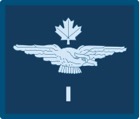
Level 1
Earned after the first year, which covers the foundations: teamwork, fitness, drill, communication, a first taste of aviation, and what it means to be a good citizen.
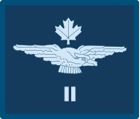
Level 2
Earned after the second year, which adds the science of flight, aerospace, and how aerodromes work. Reaching Level 2 also opens the door to most two-week summer courses.
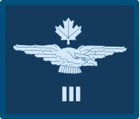
Level 3
Earned after the third year, with deeper aviation subjects and the first steps into leadership and teaching others. Level 3 qualifies a cadet for most advanced summer courses, including the glider course.
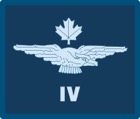
Level 4
Earned after the fourth year, covering navigation, weather, and how to instruct. Many Level 4 cadets begin helping teach the younger ones, and it is the starting point for the power pilot course.
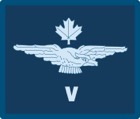
Level 5
The final proficiency badge, earned after the fifth year. Level 5 cadets focus on leadership and personal projects and often help run training and squadron life.
Pilot wings and gliding badges
Flying is at the heart of the air cadet program. These badges and wings recognise gliding and flying achievements, from a first familiarization flight to earning a pilot licence.

Glider front-seat familiarization
Marks a familiarization flight in the front seat of a glider, with hands on the controls, during the squadron’s spring or fall flying. Familiarization flights give every cadet an early taste of being airborne.

Glider back-seat familiarization
Marks a familiarization flight in the back seat of a glider. Like the front-seat flight, it is a short orientation flight, not a full course.
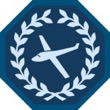
Glider pilot qualification badge
A sleeve badge for a cadet who completes the Glider Pilot Scholarship and earns a Transport Canada glider licence over a six to seven week summer course.
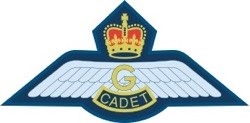
Glider pilot wings
Worn above the left pocket by a cadet who has earned their glider pilot licence through the scholarship, with ground school, dual instruction, and a first solo flight.
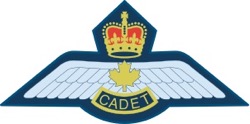
Power pilot wings
Worn above the left pocket by a cadet who has earned a Transport Canada private pilot licence (aeroplane) through the Power Pilot Scholarship. A cadet who holds both wears the power wings.
Summer course qualifications
A cadet who completes a course at a summer training centre earns a qualification badge for it. The introductory courses generally need Level 2; the instructor courses need Level 3 and prepare a cadet to bring the skill home and help teach it at the squadron.

General training
The standard introductory summer course, about two weeks: a broad first taste of camp life and the different streams a cadet can follow.
Basic survival
An outdoor and wilderness skills course: building shelter, lighting a fire, signalling, and finding your way safely outdoors.
Survival instructor
An instructor-level outdoor skills course, preparing a cadet to teach survival skills back at the squadron.
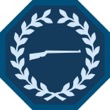
Air rifle marksmanship instructor
An instructor course in air-rifle target shooting, a precision sport done under close supervision, preparing a cadet to coach marksmanship safely at the squadron.

Sports and fitness
An introductory course in physical fitness and team sport.
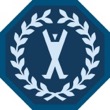
Fitness and sports instructor
An instructor course preparing a cadet to plan and lead fitness and sports at the squadron.
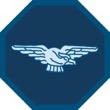
Drill and ceremonial
An introductory course in precision drill and ceremonial: the teamwork, timing, and focus behind a sharp parade.
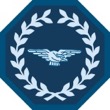
Drill and ceremonial instructor
An instructor course in drill and ceremonial, preparing a cadet to teach these skills at the squadron.

Military band: basic
An introductory course learning a wind or percussion instrument in a band ensemble.
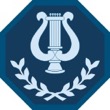
Military band: intermediate
An instructor-level band course, building performance and the skills to help teach others.
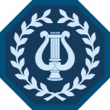
Military band: advanced
An advanced band course for cadets who lead and mentor other musicians.

Pipe band: basic
An introductory course learning the pipes or drums in a pipe band setting.
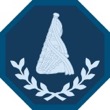
Pipe band: intermediate
An instructor-level pipe band course, building stronger playing and the skills to help teach others.
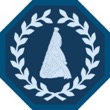
Pipe band: advanced
An advanced pipe band course for cadets who lead and mentor other players.

Basic aviation
An introductory aviation course exploring the fundamentals of flight, aerodynamics, and how aircraft work.

Advanced aviation
An instructor-level aviation course, deepening knowledge and the ability to teach aviation subjects.

Aviation technology and aerospace
A course exploring aerospace, model rocketry, space science, and aviation trades.
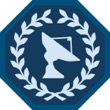
Advanced aerospace
An advanced aerospace course with hands-on science and the skills to teach aerospace topics.

Aviation technology: aircraft maintenance
An advanced course in aircraft systems and the fundamentals of maintenance.

Aviation technology: airport operations
An advanced course in how airports run, from air traffic services to ground operations.
Skill and proficiency badges
These badges recognise a skill a cadet builds over time at the squadron. In each skill, a cadet wears the most senior badge they have earned.
Air-rifle marksmanship is a precision target sport, always done under close supervision.
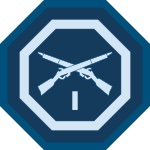
Marksman
The first marksmanship level, earned by grouping shots tightly on the target with the air rifle, lying prone and unsupported, at ten metres.
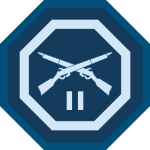
First class marksman
A higher level, earned with tighter shot groupings than Marksman.
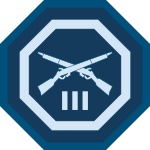
Expert marksman
A higher level again, for very tight and consistent groupings.
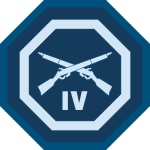
Distinguished marksman
The top marksmanship level, for the tightest groupings of all.

Fitness: bronze
The first fitness level on the Cadet Fitness Assessment, which measures cardio fitness, strength, and flexibility.

Fitness: silver
The second fitness level, for a higher overall score on the assessment.

Fitness: gold
The third fitness level, for a higher score again.

Fitness: excellence
The top fitness level, for the highest scores across the assessment.

Music: basic
The entry-level music badge, for reaching the basic proficiency standard on an instrument.

Music: level 1
Music proficiency level 1 on an instrument in a band, or as a piper or drummer in a pipe band.

Music: level 2
Music proficiency level 2. This level is also needed to take on a role such as Drum Major or Pipe Major.

Music: level 3
Music proficiency level 3, an advanced standard.

Music: level 4
Music proficiency level 4, one of the highest standards.

Music: level 5
The top music proficiency badge, level 5.

Emergency first aid
For completing a recognised emergency first aid course, such as the St. John Ambulance course.

Standard first aid
For completing a recognised standard first aid course, a more in-depth qualification than emergency first aid.
Competition pins
Cadets who represent the squadron in national competitions wear a pin for how far they advanced: zone first, then provincial, then national.

Biathlon: zone
For competing at the zone level of the cadet biathlon series, which pairs cross-country skiing or running with air-rifle target shooting.

Biathlon: provincial
For advancing to the provincial level of the cadet biathlon series.
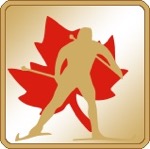
Biathlon: national
For competing at the national biathlon championship, the highest level.
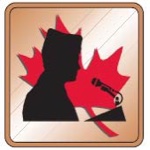
Effective speaking: zone
For competing at the zone level of the Air Cadet League’s effective speaking competition, with prepared and impromptu speeches.
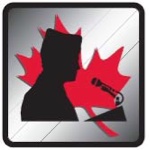
Effective speaking: provincial
For advancing to the provincial effective speaking competition.
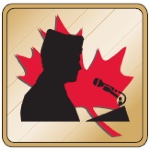
Effective speaking: national
For competing at the national effective speaking competition, the highest level.
The Duke of Edinburgh's Award
The Duke of Edinburgh’s International Award recognises young people who set and reach goals in volunteering, a physical activity, a skill, and an adventurous journey. Cadets now pursue it independently through Award Canada rather than through the cadet program, and pins earned previously may still be worn.

Bronze
The first level of the Award, usually taking three to six months across the four areas.

Silver
The second level, set at a higher standard, open from age 15.
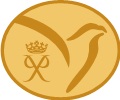
Gold
The highest level, which adds a residential project, open from age 16.
Medals and national awards
These are among the most respected honours a cadet can receive. Most are presented once a year, at the squadron’s annual ceremonial review.
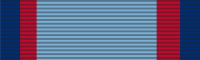
Cadet Award for Bravery
Ribbon shown
The highest cadet award for courage, given for an outstanding act of bravery in trying to save someone’s life or property.
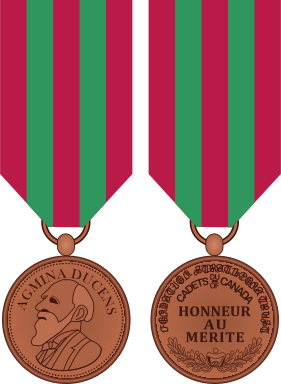
Lord Strathcona Medal
One of the highest cadet honours, recognising outstanding all-round performance and physical fitness. One is awarded per squadron each year, and a cadet may receive it only once.
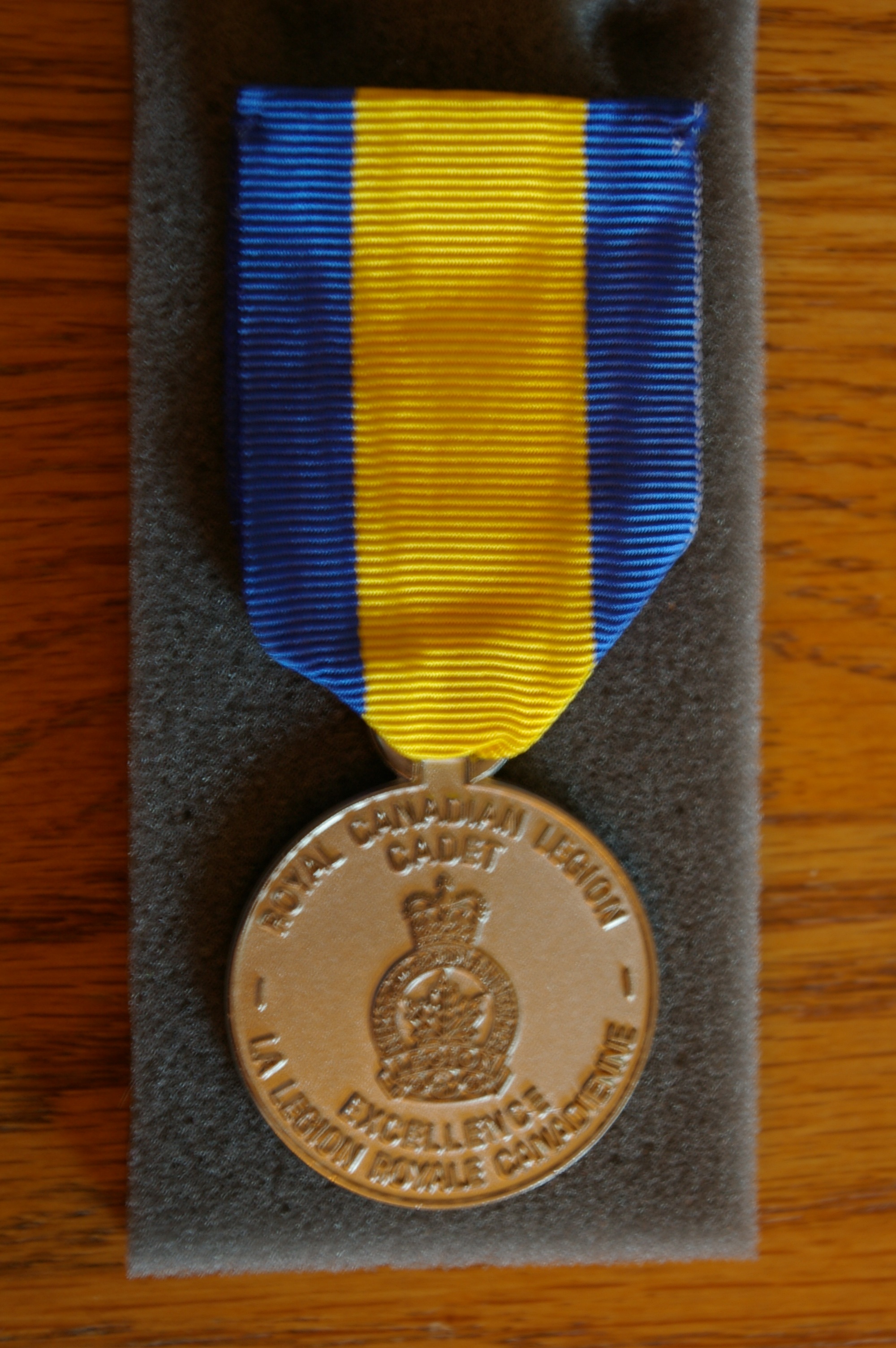
Legion Cadet Medal of Excellence
Presented by the Royal Canadian Legion to a cadet who shows strong citizenship and leadership over three years of training. One per squadron each year.
Air Cadet Service Medal
Presented through the Air Cadet League to cadets who complete three years of service, recognising their dedication to the program.
ANAVETS Cadet Medal of Merit
Ribbon shown
Awarded by the Army, Navy and Air Force Veterans in Canada to the top cadet on eligible summer courses of four weeks or more.
RCAF Association Medal
Awarded by the RCAF Association to the top cadets on the glider and power pilot scholarship courses each summer, based on overall achievement, leadership, and attitude.
Order of St. George Medal
Awarded to one of the top staff cadets at a summer training centre. A cadet may receive it only once.
Squadron symbols and flags
Beyond personal badges, these symbols identify the air cadets and the squadron itself.
Cap badge
The metal badge worn on the cap or beret: a golden eagle and maple leaf beneath the Crown.
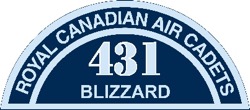
Shoulder title
The cloth title worn on both sleeves, identifying the wearer as a Royal Canadian Air Cadet.
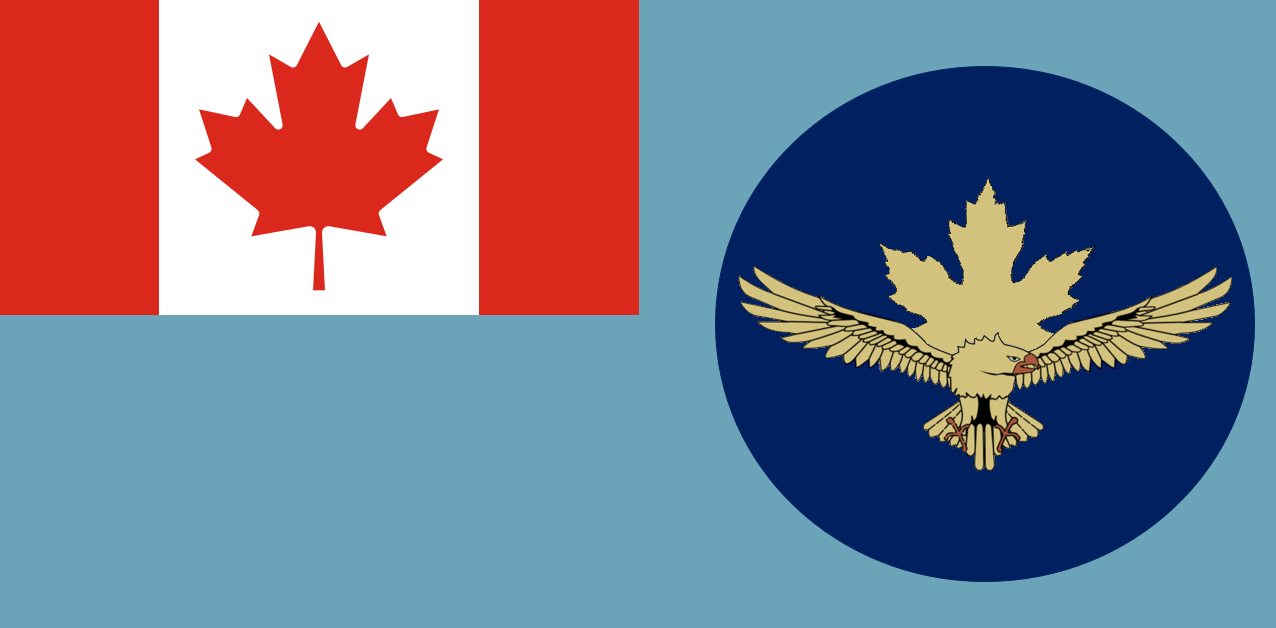
Air Cadet Ensign
The flag of the Royal Canadian Air Cadets: a light-blue field with the Canadian flag and the air cadet roundel. A squadron may carry it on parade.
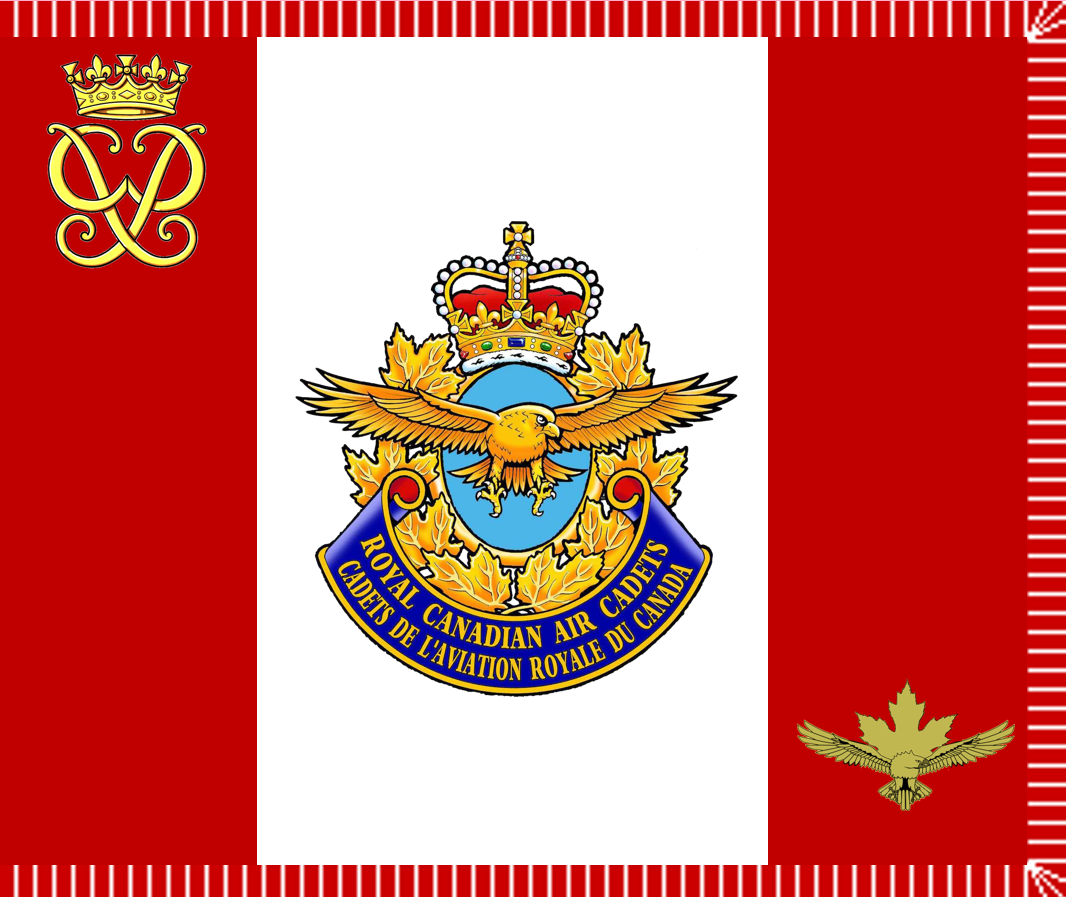
National Banner
The national ceremonial banner of the air cadets, carried only on national occasions.
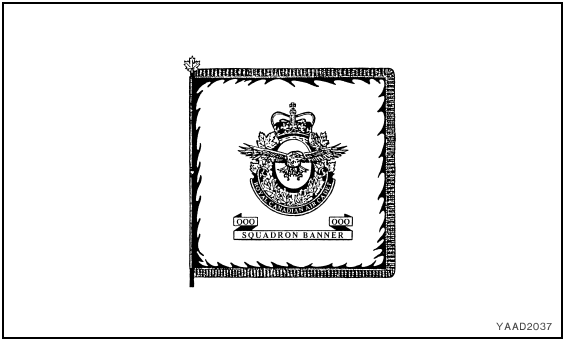
Squadron banner
Standard design frame
A squadron’s own banner, carried on parade on important occasions to mark a formed body of cadets. The image shows the standard design frame, not 12 Edmonton’s own banner.
About these images
The badge images on this page are reproduced for non-commercial, informational purposes. The proficiency, qualification, skill, and competition badges, the cap badge, and the shoulder title are from the Canadian Cadet Organizations Dress Instructions, published by National Defence on canada.ca, © His Majesty the King in Right of Canada, reproduced without endorsement or affiliation. The medals, wings, ensign, and national banner are from Wikimedia Commons, used under public domain (Canadian Crown copyright) or Creative Commons licences as stated on each file. This page is provided by the 12 Edmonton squadron sponsoring committee and is not an official Government of Canada publication. For the badges as worn, see the official Dress Instructions.